MEV explained for everyday stakers

Maximal Extractable Value, or MEV, is often talked about in the context of complex trading strategies. Yet the effects reach far beyond active traders. MEV shapes how transactions move through a network and how validators behave when building blocks.
If you hold tokens and stake them to support a Proof of Stake network, it is worth understanding the basics so you can make informed choices about where you delegate your assets.
What MEV is in simple terms
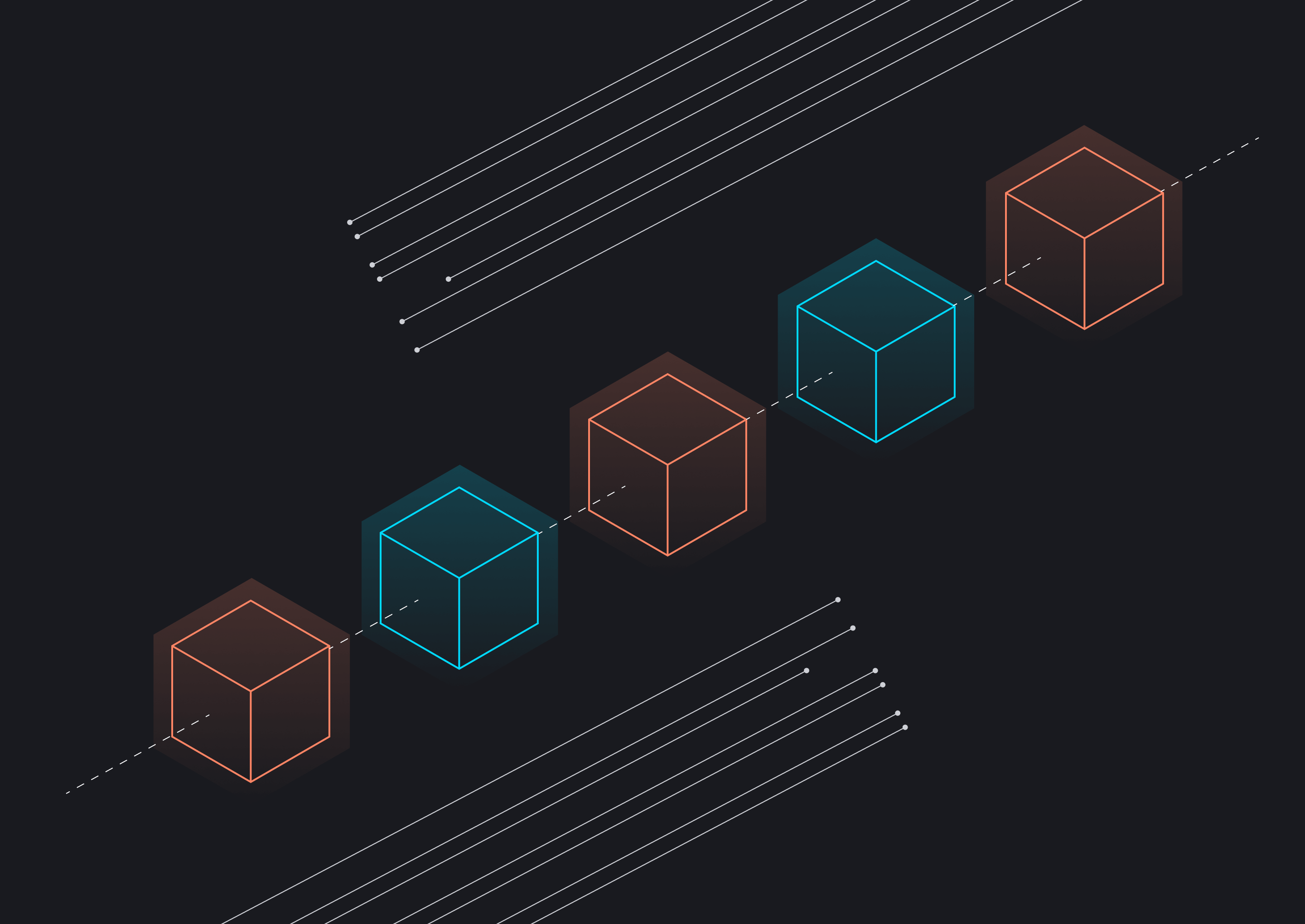
Every blockchain transaction enters a public waiting room before it gets included in a block. This waiting room is known as the mempool. Validators pick transactions from this pool and decide the order in which they appear.
MEV is the extra profit that validators or specialized bots can make by reordering transactions in a way that benefits them. For example, they may choose to place certain trades earlier or later if it creates an arbitrage opportunity. For most users, this feels like an invisible cost. You submit a transaction, and the final price is not what you expected. MEV is one of the reasons why.
Why MEV exists
The mempool is transparent. Everyone can see which transactions are waiting to be processed. This creates an environment where sophisticated actors watch for opportunities to profit from price movements.
When they spot an attractive transaction, they can offer higher fees to the validator who is about to build the next block. If accepted, their transaction moves ahead of yours. This bidding process around transaction order is what enables MEV and fuels the competition between searchers.
The most common types of MEV
Many categories of MEV exist, but most activity falls into a few familiar patterns.
- Frontrunning: A searcher pays to get ahead of a user’s transaction because they know it will move the price.
- Backrunning: A searcher places a transaction right after a large trade to catch the price movement it caused.
- Sandwich attacks: A searcher places a trade before and after a user’s transaction, taking advantage of their slippage tolerance. This is the most harmful form of MEV for traders.
- Loss-versus-rebalancing (LVR): Arbitrage that affects liquidity providers when AMM prices lag behind centralized exchanges.
Token holders who only stake are not directly exposed to these mechanisms, but the overall system is.
Why token holders should care
Staking is designed to be a safe way to support the network and receive rewards. MEV does not change that, but it does influence the environment your validator operates in.
High MEV pressure can encourage validators to seek short-term profit through aggressive block-building practices. This can reduce decentralization, introduce operational risks, and impact how predictable rewards are for delegators.
A network works best when validators focus on stability, fairness, and secure block production.
MEV makes those responsibilities even more important.
MEV and validator responsibility
Validators are closest to the mechanics that make MEV possible. They decide which transactions enter a block and often work with external block builders to manage this flow.
A responsible validator operator prioritizes network integrity and consistent operations. This includes:
- secure infrastructure that avoids outages
- careful configuration of MEV-related components
- transparency in how blocks are produced
- a focus on long-term rewards rather than speculative MEV strategies
For delegators, these characteristics matter far more than any incremental gain from aggressive MEV extraction. Token holders benefit most from validators who protect the network rather than chase every opportunity in the mempool.
What matters most for safe staking
Safe staking is about choosing validators who operate with discipline and care at every layer of the stack. Look for operators with strong uptime, security certifications, and a clear approach to responsible block building. Validators with reliable infrastructure and transparent operations help maintain a healthier network for everyone.
Staking is not a race for the highest possible yield. It is a commitment to the stability and growth of the ecosystem.
MEV is a natural part of today’s blockchain economy, but it doesn’t have to be a source of worry for token holders. Understanding the basics helps you choose where to stake with confidence.
With a security-first approach and infrastructure designed for high availability, Moonlet supports responsible block production and protects the long-term value of your staked assets. In a constantly shifting Web3 universe, having a reliable validator partner keeps your path clear and your staking rewards steady.
Further reading:

You might also like