The non-negotiable certifications to look for in your staking provider: ISO 27001, SOC 2 Type I & II

Selecting a staking provider is about more than rewards. It is about trusting an organisation to run secure infrastructure, protect sensitive information, and operate with consistent reliability. ISO 27001 and SOC 2 certifications help validate that a provider has the right controls and processes in place. For users, institutions, and custodians, these standards reduce uncertainty and strengthen the foundation for long-term staking operations.
Why certifications matter in staking
Staking infrastructure must safeguard keys, ensure uptime, and protect data across nodes, dashboards, and APIs. Certifications verify that a provider follows tested security practices and meets industry expectations for governance, risk management, and operational discipline.
ISO 27001
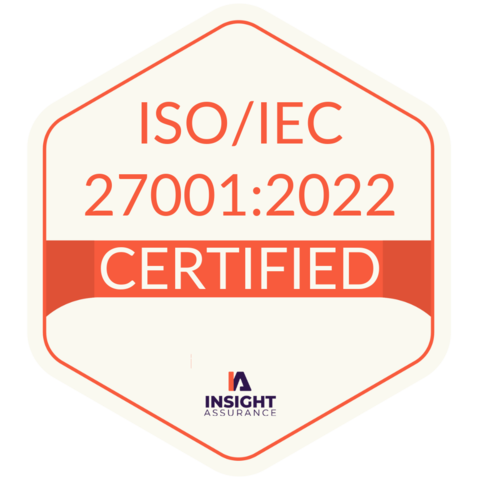
ISO 27001 is the leading standard for managing information security. It provides a structured system for identifying risks, protecting sensitive information, and keeping security measures up to date.
Key elements of ISO 27001 risk management
Risk identification: Organisations map potential threats that could affect confidentiality, integrity, or availability.
Risk assessment: Each risk is analysed for likelihood and impact to guide priorities.
Risk treatment: Teams decide how to address identified risks through mitigation, transfer, acceptance, or removal.
Continuous improvement: Security controls evolve as new threats appear and as operations grow.
How ISO 27001 supports blockchain infrastructure
Blockchain’s immutability strengthens data integrity, while ISO 27001 adds governance, accountability, and structured key management. Together, they enhance transparency, reduce single points of failure, and help organisations navigate privacy requirements and third-party risks in distributed systems.
SOC 2 compliance
SOC 2 evaluates how an organisation manages and protects customer data through the Trust Services Criteria.
- Security: Protection against unauthorised access.
- Availability: System reliability and uptime.
- Processing integrity: Accurate and timely data processing.
- Confidentiality: Protection of sensitive internal or client data.
- Privacy: Proper handling of personal information.
SOC 2 is widely expected for organisations providing digital services, especially when dealing with regulated industries or sensitive information.
SOC 2 Type I
SOC 2 Type I assesses whether controls are properly designed at a single point in time.
- System description: Clear outline of the organisation’s services and boundaries.
- Relevant trust criteria: Security is always in scope. Others depend on the service model.
- Management assertion: Confirmation that the described controls are suitable.
- Auditor opinion: Independent validation of the control design.
Type I helps providers demonstrate early maturity, support vendor due diligence, and prepare for the more extensive Type II audit.
SOC 2 Type II
SOC 2 Type II verifies not only design but also operational effectiveness over several months. Organisations must provide evidence through logs, access reviews, incident records, and change management documentation. This is the standard most enterprise clients look for because it demonstrates sustained discipline across core security and availability processes.
How these certifications work together
ISO 27001 sets the long-term security framework.
SOC 2 Type I validates initial control readiness.
SOC 2 Type II proves operational performance over time.
Together, they offer strong assurance that a staking provider manages data securely and runs reliable validator infrastructure.
Why they matter for staking users and enterprises
For token holders, these certifications reduce infrastructure risk and improve confidence when delegating. For custodians and enterprises, they simplify due diligence and confirm that staking services align with internal security and compliance expectations.
Security certifications are essential for any staking provider running validator nodes or enterprise integrations. ISO 27001, SOC 2 Type I, and SOC 2 Type II show that the provider has structured processes, proven controls, and a commitment to protecting users and partners.
Moonlet meets these standards with full compliance across ISO 27001, SOC 2 Type I and Type II, ensuring a security framework trusted by institutions. This level of verification supports our mission to deliver reliable, high-performance staking infrastructure for the growing Web3 ecosystem.
Further reading:
https://iso-cc.com/iso-27001-risk-management-in-the-blockchain-era/
https://blog.rsisecurity.com/soc-2-type-1-vs-type-2-whats-the-difference

You might also like