Why certifications matter in blockchain and crypto infrastructure
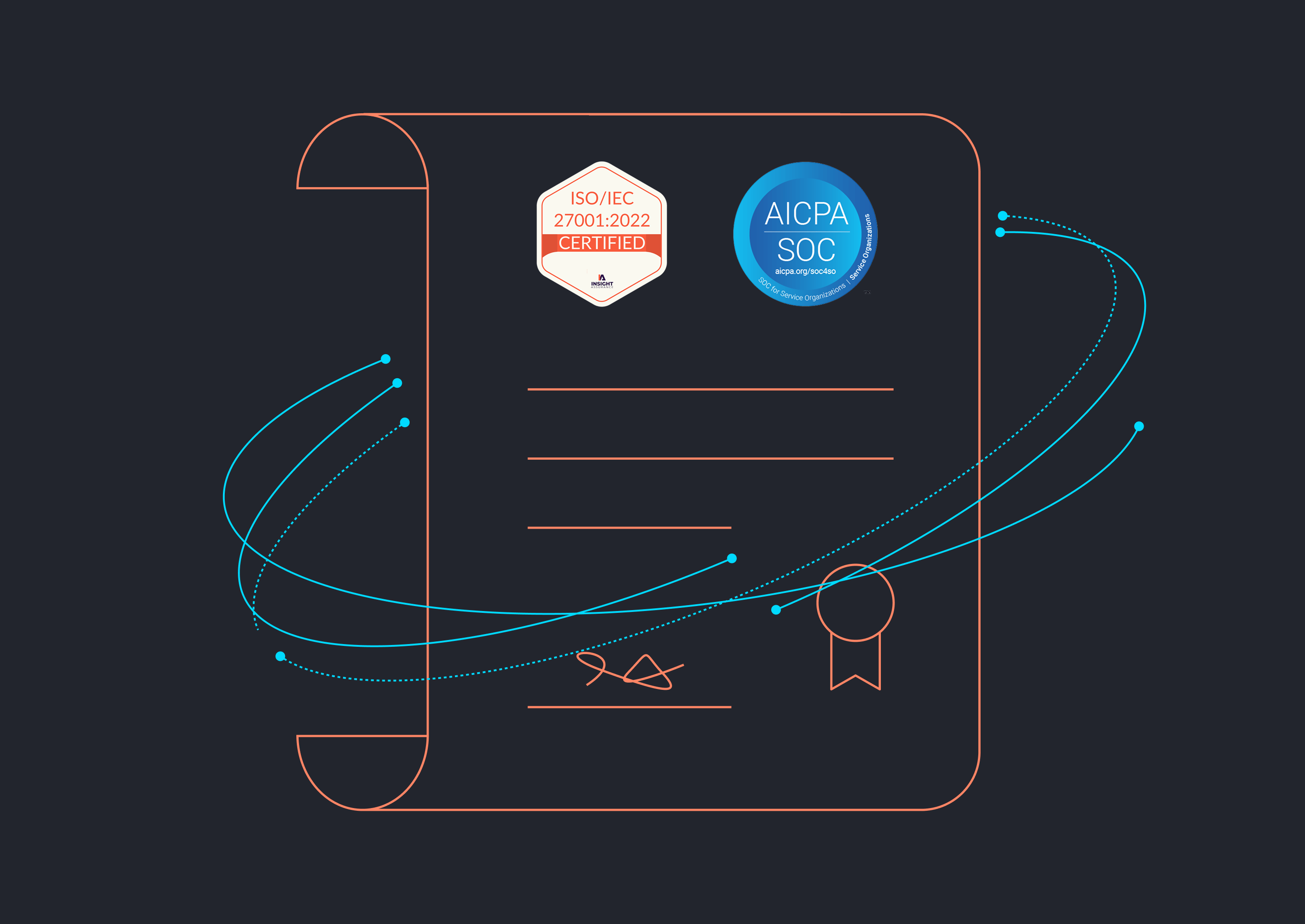
Certifications play a central role in blockchain infrastructure because they turn trust into something measurable. In an industry where systems run nonstop and secure real economic value, certified providers help ensure that networks stay safe, reliable, and ready for growth. Moonlet follows this approach by operating under ISO 27001 and SOC 2 Type II-aligned frameworks, supported by independent audits from Quantstamp. These practices strengthen both institutional and community confidence.
Here is why certifications matter for scaling, staking, and integrating blockchain into finance.
Ensure security and integrity
Certified infrastructure providers like Moonlet follow strict security protocols that reduce the risk of breaches and unauthorized access. This matters even more for financial applications where a single vulnerability can have serious consequences. The certification process brings accountability, as each control must be documented and audited. This creates transparency for developers, clients, regulators, and network participants.
Guarantees reliability and performance
Blockchain networks depend on uptime. Certified providers must maintain consistent availability and follow proven processes for updates, patches, and incident handling. This reduces downtime and supports smoother operations across validator nodes, RPC endpoints, and staking dashboards.
Moonlet, for example, offers 99.9 percent uptime and high-performance validator infrastructure across more than 60 networks, including Solana, Sui, Wormchain, Monad, Ethereum, Zilliqa, and many more.
Validates technical expertise
A certification signals more than compliance. It confirms that the provider has the engineering capability to manage complex, distributed systems. For teams building in Web3, this means quick access to specialized knowledge without having to build or maintain infrastructure internally. Moonlet’s platform pairs this expertise with continuous monitoring and AI-driven analytics via a secure self-custodial staking dashboard that helps keep networks healthy.
Reduces risk and complexity for users
Outsourcing node operations to a certified provider lowers operational risk. Banks, neobanks, institutional wallet providers, and financial institutions stay focused on their core products while relying on a partner that handles validation, security controls, updates, and monitoring. This lowers the barrier to adopting blockchain technology, especially for businesses entering the ecosystem for the first time. Certifications also make due diligence smoother, which supports faster integration for institutional partners.
Certified staking providers help protect the integrity of decentralized networks and allow teams to grow with confidence. They signal that the infrastructure behind the scenes is secure, reliable, and professionally managed, giving blockchain founders, token holders, and institutions the freedom to focus on scaling, staking, or integrating.

You might also like